
Food to the body is like the air to our lungs. It is a vital source of energy that fuels our body and nourishes our soul.
Our relationship with food begins the moment we are born. From the first drop of our mother’s milk to the last meal of the day, food is our constant companion in our basic need to survive.
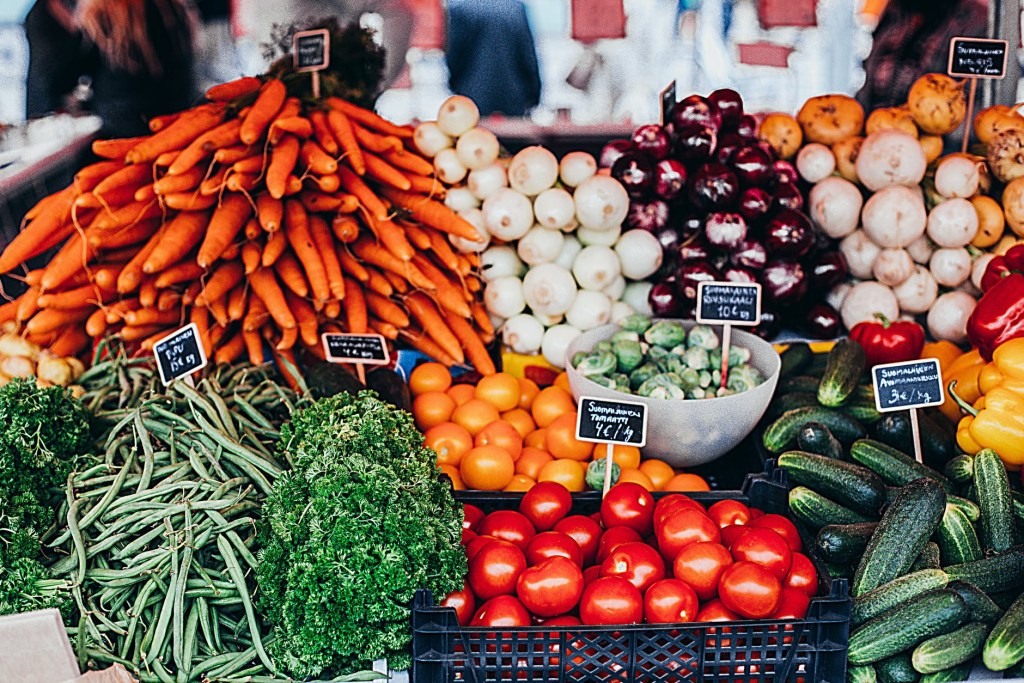
And yet in the world of abundance, where food is readily available and accessible, we often forget to think about the type of foods that enters our body and how often we should eat. It has become an automatic process, one that we don’t think about.
So we eat not because we are hungry, but maybe because we are bored, tired, frustrated, depressed or happy. Food has become a source of emotional support, providing comfort during times of stress, heartaches and happiness.
Do we live to eat or eat to live?
I was born into poverty, my parents were very poor and we barely had enough to eat. During our trek through the forests bordering Thailand, we picked wild berries, hunted and fished. We ate to survive.
Living in a first world country, food is everywhere. With money, we could buy whatever our eyes and stomach desires. Feeling like a great cup of coffee? A short trip to Starbucks and it’s done. Feeling like a burger? A tap and order from Ubereats and it arrives at your doorstep.
When I was younger, fried chicken from KFC was my favorite. It crunchy, juicy and heavenly. Never mind it was fried or how many calories it contained, it was the best food ever and I ate it every week.
Before long, I had put on the pounds unaware of how unhealthy my relationship with food had become. In an effort to lose weight, I discovered a love for steps and body strength exercises.
Then came marriage, children and life. And the pounds kept increasing. I felt tired and hungry all the time. I tried to exercise regularly and watch what I eat but it was hard to balance with the demands of work and life. It was hard to be consistent because our life was not consistent. It was all over the place.
What if it is not so much what we eat but when we eat it? This is the idea behind intermittent fasting (IF), one I am embarking on.
It’s not a diet, rather it is honoring our body in a way that gives it time to process the food that we digest and through a natural process of autophagy, allowing cells mechanisms to digest proteins that no longer work and recycle parts of it towards repair and regeneration, thereby bringing our body back to its optimal condition.
It has and continues to be a popular means of weight loss amongst our health and fitness community. According to health line, some of health benefits include lowering our blood sugar levels, anti cancer fighting abilities, reducing inflammation and promoting healthy hearts.
The idea behind intermittent fasting, periods of eating and fasting is not a new one. Some cultures and religions have been doing it for centuries. Our Khmer-Krom Buddhist monks practice this on a daily basis, eating one meal a day. I never thought we could apply this concept in our daily life until now.
I am excited to start this because I want to take care of my body, not just my mind and spirit.
Our body is a gift, one that we have been blessed with upon entry into this world.
It has provided a home for the birth of my children and a place for my soul.
Today marks my third day on this journey. I am doing 16 hours of fast with an eight hour window to eat. On the first day, I felt a little tired and sleepy. Probably because I only drank one cup of coffee and not my usual three. It has been a lot easier than I thought and I look forward to sharing the results of this journey in the near future and tips I have learned along the way.
Like any journey in life, it is never easy but I feel that I have nothing to lose, except for the weight of course. There is so much to gain in terms of health and healing if I can sustain it and make it part of my life.
It is also a form of self care.
If that is something you have been contemplating, I think it’s important to do your research. Ask yourself why you want to embark on this journey and if you are truly serious and ready to take ownership of your body and health? And always ask your doctor before you start.
Have you tried IF? What has it been like for you?


 Cherteal
Leave a reply to Fasting February; a 28 Day Challenge to Restart Intermittent Fasting – Cherteal Cancel reply